Blog and news
Rennes-le-Château: a must-see attraction in the Aude
Rennes-le-Château: a must-see attraction in the Aude
Rennes-le-Château: a must-see attraction in the Aude
Perched on a rocky outcrop in the heart of the Upper Aude Valley, Rennes-le-Château is one of the most enigmatic villages in Occitanie. With its breathtaking views of the Pyrenees, its turbulent history and the secrets of its famous parish priest, it attracts thousands of visitors every year who are passionate about history, mystery and heritage. Whether you’re simply curious, a fan of the occult, or just looking for a lovely getaway in the Aude, this guide is for you!
Top 3 things not to be missed in Rennes-le-Château
The Domaine of Abbé Saunière
brings together the Sainte-Marie-Madeleine church, the presbytery converted into a museum, Villa Bethania, and the Magdala Tower. Every stone tells the story of the meteoric rise of a humble country priest who became, within just a few years, a legendary figure. In a 2-hour visit, you will immerse yourself in a unique atmosphere, somewhere between historical fascination and unanswered questions.
Book your ticket to the Domaine of Abbé Saunière from €5 — ideal for families, solo visitors, or groups!
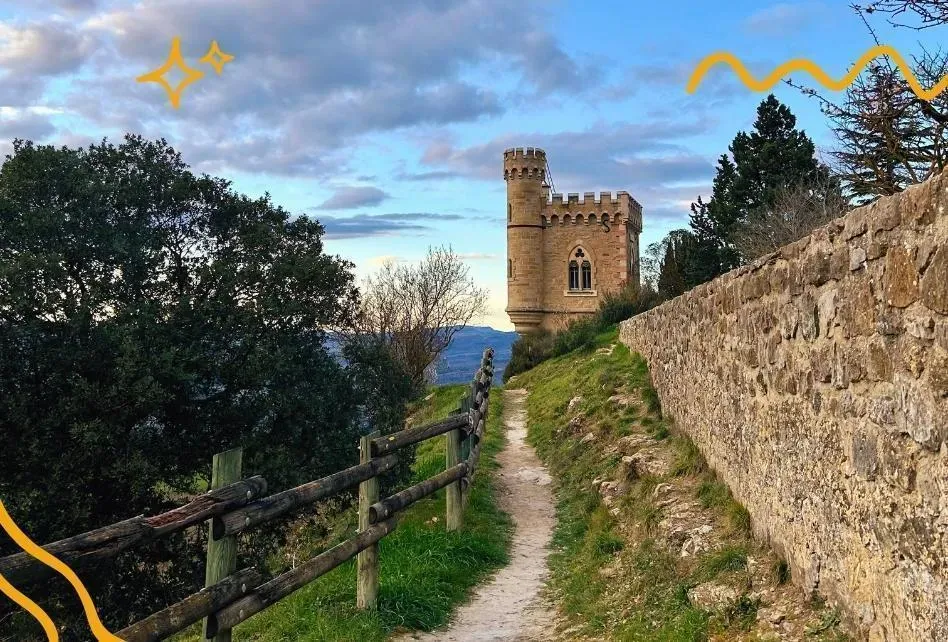
The Magdala Tower and its breathtaking panorama
A symbol of the estate, the Magdala Tower is a neo-Gothic library tower built by Saunière on the edge of a cliff. From the top of its battlements, the view over the Pyrenean peaks and the Aude gorges is simply stunning. It was the priest’s intellectual refuge, and today it is one of the best viewpoints in southern France.
Our tip: Visit the Tower in the late morning for ideal light on the mountains. Choose the months from April to October to fully enjoy the panorama.
The Sainte-Marie-Madeleine Church
The village church is one of the most commented monuments in France. Its porch displays a mysterious Latin inscription, « Terribilis est locus iste » ("This place is terrible"), and the interior is full of disturbing details: the famous devil supporting the holy water font, paintings with unusual colors, and a checkerboard floor whose patterns still intrigue researchers. A place that leaves no one indifferent.
How can I visit Rennes-le-Château?
Self-Guided Visit of the Domaine of Abbé Saunière
The most accessible way to discover the site is the self-guided visit of the Domaine of Abbé Saunière. At your own pace, you can explore the Sainte-Marie-Madeleine church with its intriguing decor, the presbytery-museum filled with archives and personal belongings of the priest, the Magdala Tower with its breathtaking views, Villa Bethania, and the gardens.
A free quiz for children is available on request — a great way to turn the visit into a family adventure!
Book your visit to the Domaine of Abbé Saunière
From €5 per person · Open from March to November · Ideal for families, couples, or friends
Walking Around the Village
Beyond the estate, the village itself is well worth exploring. The cobbled streets, stone houses, and the cemetery with its mysterious graves… Every corner invites contemplation. Stop at the viewpoint near the Magdala Tower to enjoy the view over the Sault plateau and the Pyrenean ridges. The sunset there is unforgettable.
Exploring the Surroundings
Rennes-le-Château is an excellent starting point to discover the Upper Aude Valley:
- Rennes-les-Bains (a few km away): a spa village nestled in a gorge, ideal for a walk along the Sals River
- Bugarach: the “peak” of esoteric enthusiasts, a must-see summit for lovers of mystery and hiking
- Carcassonne: the most visited medieval city in southern France, just 1 hour’s drive away
- Couiza: the small capital of the valley, with its Renaissance castle and lively market
The fascinating story of Abbé Saunière in Rennes-le-Château
A Hill Inhabited Since Antiquity
Before becoming Saunière’s village, Rennes-le-Château — formerly known as Rhedae — was an important Visigothic city. In the 6th century, it is said to have housed several hundred thousand inhabitants according to some historians. The strategic site, perched at 740 meters above sea level, later went through the medieval period before shrinking into a modest farming village.
Bérenger Saunière, the Millionaire Priest
It was in 1885 that Bérenger Saunière was appointed priest of Rennes-le-Château. The son of a poor farmer, he nevertheless spent, within just a few years, considerable sums renovating his church, building Villa Bethania, the Magdala Tower, creating lush gardens, and hosting lavish receptions. Where did this money come from? That is the question that brought worldwide fame to the village.
Among the most popular theories:
- The discovery of a Visigothic or Cathar treasure during work in the church
- A secret correspondence with influential figures of the Third Republic
- The large-scale sale of masses and religious services (traffic in masses)
- A link to the treasure of the Knights Templar or the Holy Grail, popularized by The Da Vinci Code
The truth? It remains unknown. And it is precisely this mystery that makes visiting the estate so captivating.
The Scandal and the Priest’s Death
In 1910, the Bishop of Carcassonne suspended Saunière, who refused to account for his finances. He died in 1917 without revealing his secret. His loyal housekeeper, Marie Dénarnaud, is said to have whispered to a relative before her death: "What you know, you would tell, and what I know, I will die keeping." The legend was born.
FAQ | Frequently Asked Questions
What makes Rennes-le-Château so famous?
The village owes its worldwide reputation to Abbé Bérenger Saunière, a 19th-century local parish priest whose unexplained wealth has fuelled theories ranging from a Templar treasure to the secret of the Holy Grail. Dan Brown’s *The Da Vinci Code* and numerous documentaries have amplified this myth, making Rennes-le-Château one of France’s top destinations for mystery tourism.
How long does it take to visit Rennes-le-Château?
Allow around 2 hours for a full tour of the estate (museum, church, tower, gardens). If you’d like to include a stroll through the village and the surrounding area, allow half a day. For a full day out including Rennes-les-Bains or Bugarach, you’ll need a whole day.
Is there a guided tour of Rennes-le-Château?
Visits to the Domaine de l’Abbé Saunière are self-guided, using the visitor guide included with your ticket. For school groups or organised groups wishing to book a more comprehensive package, please contact the Sudfrance.fr team to receive a personalised quote.
Is Rennes-le-Château suitable for children?
Absolutely! The site offers a free quiz for children, and the mysterious atmosphere captivates young and old alike. Best of all, you’re surrounded by nature, so you can let your children run about to their heart’s content! Make sure you bring a good pair of walking shoes, as some of the paths are steep.
When is the best time to visit Rennes-le-Château?
The site is open from late March to November, as well as during the Christmas holidays and every 17 January for the spectacular ‘blue apple phenomenon’ — a play of light through the church’s stained-glass windows at a specific time. The best time to visit is still spring and autumn, when the village is less crowded and the scenery is magnificent. In winter, you might want to take a stroll through the village or go for a walk around the site, but no tours will be available!
What's new and what we love Sudfrance.fr
Our experience ideas to live, projects and achievements to discover, partners to follow... Dive into the Sudfrance.fr universe that inspires us and that we build every day!